Choosing a Winter-Ready Keyboard Setup to Avoid Cold Plate Stiffness
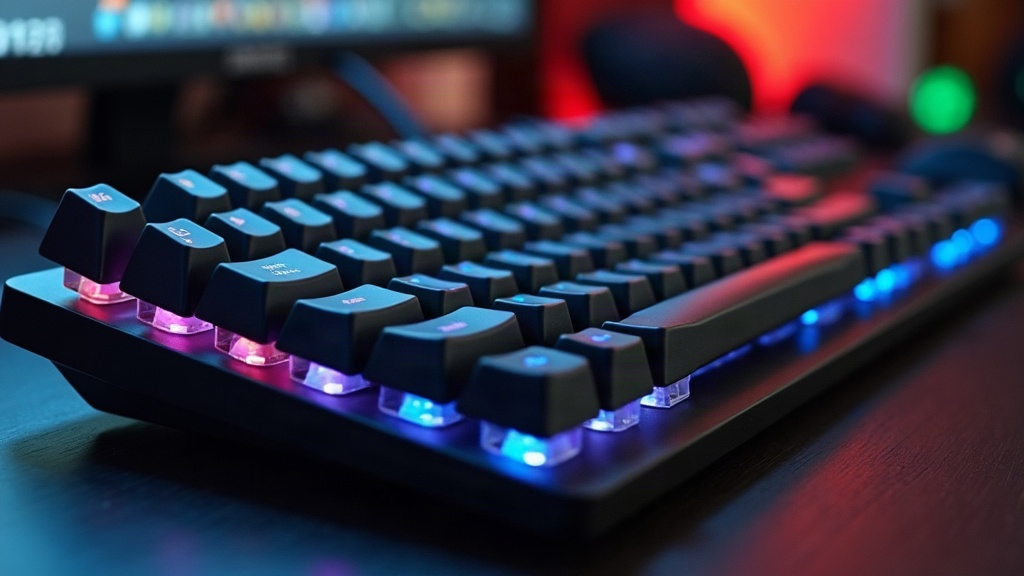
If your mechanical keyboard suddenly feels scratchy, stiff, or “crunchy” the moment the temperature drops, you’re not imagining things. Cold genuinely changes how plastics, lubricants, and plates behave under your fingers. Building a winter-ready setup comes down to picking the right lube viscosity, plate material, and switch type, so your board stays smooth even when your room (or that desk shoved next to a drafty window) gets chilly.
Why Cold Weather Affects Keyboard Feel
Most keyboard lubes and switch housings are designed to perform at “room temperature,” usually assumed to sit around 20-24°C (68-75°F). Drop below that range and a few things happen at once:
- Lube thickens. Petroleum-based and silicone greases get noticeably more viscous as temps fall. Switches end up feeling heavier, slower to return to the top of the stroke.
- Plastic housings contract slightly. PC (polycarbonate) and POM (polyoxymethylene) stems shrink by a hair, which tightens the stem-to-housing fit and can introduce scratch that wasn’t there in July.
- Plates stiffen. Aluminum and steel conduct cold fast and get noticeably harder underfoot. That cushioned bottom-out you liked in summer can turn harsh in January.
- Static buildup increases. Dry winter air raises the odds of static discharge, which in rare cases can mess with sensitive keyboard electronics.
None of this means your board is broken. It’s just physics doing what physics does, and you can plan around it.
Pick the Right Lube Viscosity for Cold Rooms
Lube choice matters more in winter than almost anything else on this list.
- Avoid thick greases alone (straight 205g0, for instance) on stems if your workspace regularly dips below 18°C (64°F). Switches can turn gummy, almost like typing through syrup.
- Use thinner lubes or blends instead, something like Krytox 105/106 mixed with a touch of thicker grease on the springs. Thinner oils stay fluid in the cold and skip that “glued shut” sensation.
- Lube springs lightly, not heavily. Over-lubed springs are the single biggest cause of winter stiffness complaints. Oil pools on the coils and thickens fast once the room cools down.
- Reapply seasonally. Lubed your board back in July with something thick? A light winter re-lube with a thinner product is usually enough. You don’t need a full teardown and rebuild every season.
Choose Switch Housings That Handle Cold Well
Not every plastic reacts to cold the same way.
- Nylon (PA66) housings stay more forgiving in low temps than polycarbonate, which can get brittle and tighten up.
- POM stems generally feel smoother in the cold than PC stems, thanks to POM’s naturally slick, self-lubricating texture.
- Skip switches known for factory scratch if you’re building for a cold office. Any inherent friction only gets worse once temperatures fall.
Shopping for a cold or unheated room specifically? Linear switches with POM stems and nylon housings (plenty of “budget-friendly linear” lines marketed on smoothness fit the bill) are a safer pick than tactiles with tight factory tolerances.
Plate and Case Material Considerations
- Aluminum plates feel stiffer, colder to the touch, almost immediately. Great if you’re chasing a thocky, firm sound signature, less great on a cold desk.
- Polycarbonate or FR4 plates hold onto a softer, more flexible feel across temperature swings, making them the friendlier choice for winter comfort.
- Case material matters less for feel, but wood or plastic insulates better than metal, keeping the whole board closer to room temperature for longer.
Practical Winter Setup Tips
- Let your keyboard acclimate. Board’s been sitting by a cold window, or riding around in a bag outside all morning? Give it 20-30 minutes at room temp before you sit down for anything serious.
- Use a desk mat or riser. Lifting the board off a cold desk surface cuts down on heat loss through the case.
- Control humidity. Dry winter air plus thin lube is a recipe for extra static. A small humidifier near the desk (aim for 40-50% RH) helps your skin and your switches alike.
- Service before the season starts. Early autumn is the sweet spot for re-lubing and checking stabilizers, well before the first real cold snap hits.
Quick Checklist Before Winter
- Re-lube springs with a thinner oil if your workspace gets cold.
- Swap to POM/nylon switches if you’re ordering new ones.
- Consider a PC or FR4 plate if stiffness bothers you.
- Keep the board away from direct cold drafts or windowsills.
- Let the board warm up before a big typing session.
Conclusion
A winter-ready keyboard setup isn’t about buying a whole new board. It’s about matching lube viscosity, switch housing material, and plate choice to whatever temperature your room actually sits at. Lean toward thinner lubes, POM stems, nylon housings, and more flexible plates if your space runs cold, and always give the board a few minutes to warm up before a long session. Small adjustments, but they’re the difference between a keyboard that feels right in December and one that doesn’t.