Why Switch Lube in Summer: How to Pick a Heat-Stable Lube
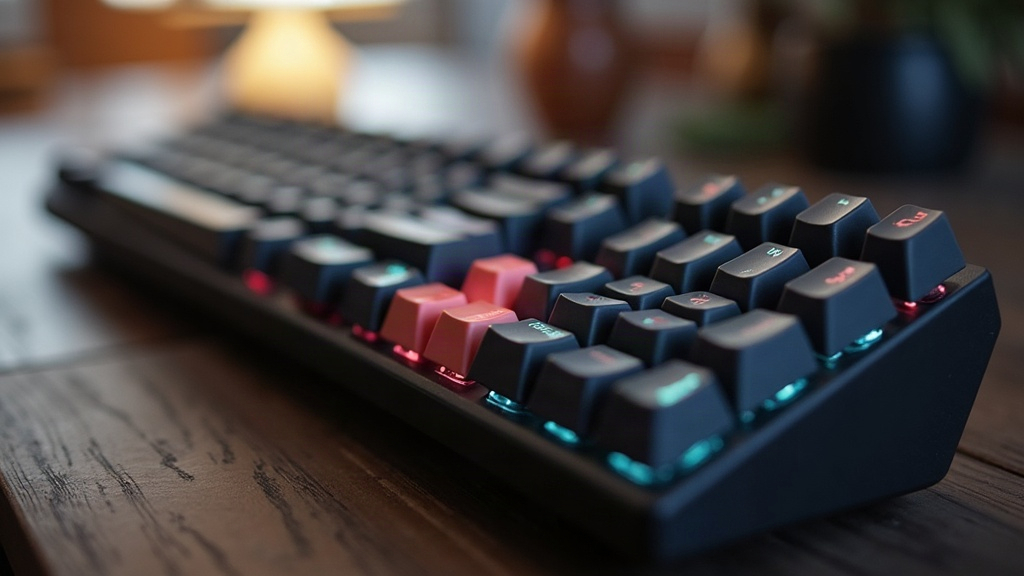
If your mechanical keyboard suddenly feels scratchy, sticky, or just off once the temperature climbs, don’t blame your switches first. Check your lube. Summer heat is notorious for thinning it out, and switching to something more heat-stable will keep your board smooth, quiet, and predictable even when your room feels like a greenhouse. Here’s why this happens, and how to actually pick the right lube for the warmer months.
Why Lube Thins Out in Summer Heat
Most lubricants are basically a thickening agent (PTFE or silicone, usually) suspended in some kind of oil or grease base. Viscosity, meaning how thick or runny the lube is, happens to be very sensitive to temperature. A lube that felt perfect in January can behave like a completely different product by July.
- Molecular movement increases with heat. As the temperature goes up, the oil molecules start moving faster and spreading more freely. The practical result? The lube feels noticeably thinner than it did a few months ago.
- Carrier oils lose their structure. A lot of popular lubes, especially thinner oils like Krytox 105 or 106, are really built for room-temperature use. Leave your keyboard near a sunny window or in a hot room and these oils can migrate right off the contact points where you actually need them.
- Migration causes inconsistency. Thin lube just doesn’t stay put. It pools in odd spots, sometimes drips onto the PCB, and leaves stems and housings under-lubed in the process. That’s exactly what produces that scratchy, uneven feel under your fingers.
- Humidity compounds the problem. Summer heat rarely shows up alone, it drags humidity along with it. Over time that moisture can change how lube interacts with plastic housings, and some builders describe the result as a slightly “gummy” feel on their keys.
So if you lubed your switches back in winter using a thinner oil, don’t be shocked when your board types a little differently in August. That’s not a defect. That’s just physics doing its thing.
Signs Your Lube Is Breaking Down in Heat
- Keys suddenly feel scratchy after months of smooth typing
- Visible oil residue pooling near the stems or showing up on the PCB
- Inconsistent actuation force, even across switches that are supposedly identical
- A faint “slushy” or wet sound while typing (yes, you can actually hear this)
- Stabilizers that used to be dead silent start ticking or rattling out of nowhere
How to Choose a Heat-Stable Lube
1. Look at Viscosity Ratings
Lube viscosity gets measured in centistokes (cSt). Anything on the lower end, say 50 to 105 cSt, is thin and far more likely to break down in heat. Once you get into 150+ cSt territory, the lube holds its structure much better when things warm up.
- Krytox 105/106 — great for cooler climates, but tends to feel too thin once summer hits
- Krytox 205g0/207 — thicker greases that genuinely resist heat migration
- Tribosys 3203/3204 — a favorite among builders for balancing smoothness with thermal stability
- Superlube — budget-friendly, and reasonably heat-stable if you’re not pushing extreme conditions
2. Prioritize Grease-Based Lubes Over Thin Oils
Grease-based lubricants, usually PTFE-thickened, hold their consistency far better than pure oils once temperatures start climbing. If you live somewhere genuinely hot, or your AC isn’t running 24/7, reaching for a grease like Krytox 205g0 is simply the safer call compared to a thin oil that might not survive a July afternoon.
3. Match Lube to Switch Type
- Linear switches generally do well with medium-viscosity lubes like Tribosys 3203, which gives you smooth, silent travel without piling on unnecessary drag.
- Tactile switches usually benefit from something a bit thicker, since that helps preserve the bump definition even as the room warms up around them.
- Clicky switches need very little lube on the click jackets to begin with, so heat stability matters less here. Still, a more stable lube helps avoid gunk buildup over time.
4. Consider Your Climate, Not Just the Season
Live somewhere consistently hot? Just pick a heat-stable lube and stick with it year-round instead of chasing seasonal swaps. But if your climate swings hard (freezing winters, scorching summers), it’s probably worth re-lubing your switches twice a year to keep performance consistent.
Quick Re-Lubing Tips for Summer
- Keep lube bottles out of direct sunlight and off windowsills
- Apply in thin, even coats, thicker lube needs less volume to avoid the over-lubed “mushy” feel
- Re-lube your stabilizers with dielectric grease or a thicker PTFE grease, since stabs are notoriously prone to rattling once things heat up
- If your setup sits near a window, in a garage, or anywhere with poor airflow, think about adding a case fan or improving ventilation to cut down on ambient heat
Conclusion
Summer heat has a real, measurable effect on how your switch lube behaves: thinner, less consistent, more likely to migrate away from where it belongs. Pick a heat-stable option, ideally a thicker grease like Krytox 205g0 or Tribosys 3203, and your keyboard will keep feeling smooth and sounding good no matter how brutal the weather gets outside. A bit of attention to viscosity and your local climate now means you won’t be stuck typing on a scratchy, unpredictable board come peak summer.